Mastering the Art of Making Low-Budget Gifts Look High-End and Premium
Whether you are celebrating a milestone, showing appreciation to a colleague, or simply trying to brighten someone's day with a thoughtful token, gifting can feel like an art form. The perfect gift doesn’t necessarily require a hefty price tag; often, the perceived value far outweighs the actual cost. However, if your budget is running low—a common experience during times of economic constraint (or just when you're trying to buy for five people)—it can feel like you've hit a creative brick wall. The good news? You don't have to sacrifice thoughtfulness for dollars and cents. Learning the subtle techniques of making low-budget gifts look high-end and premium is an invaluable skill that transforms mere objects into cherished memories. This comprehensive guide will walk you through the strategic shifts—from presentation psychology to material selection—that elevate any gift, no matter its origin, into a luxurious gesture.
The Psychology of Gifting: Elevating Perception Over Price
The first rule of premium gifting is understanding that people rarely buy based solely on intrinsic worth; they buy based on experience and presentation. A hastily wrapped item feels cheap, even if the contents are magnificent. Conversely, an elegantly presented gift can trick the mind into believing it cost significantly more than it did. To truly master this skill, we must treat the gift not as a collection of items, but as a curated experience.
Curating the Narrative and Thoughtfulness
The most powerful element in any gift is the story behind it. When you select an item, instead of thinking, "How much does this cost?" ask yourself, "What memory or feeling does this evoke for the recipient?" This shift changes the entire focus from transactional spending to emotional connection. An anecdote that comes to mind relates to a time I bought my friend a small, locally roasted tea blend—it was only $12. Instead of just handing it over, I included a handwritten note detailing the specific farm where the beans were grown and suggesting a perfect pairing with her favorite childhood cookies. The sheer detail transformed it from a box of tea into an intimate conversation starter.
Consider this: A gift should feel like a whisper of understanding—a clear message that you truly see your recipient. Are there any small details about them—their job, their hobbies, or even just their preferred shade of blue—that you haven't considered yet? These are the threads by which you can weave an inexpensive gift into something deeply personalized and meaningful.
Mastering the Presentation Package
Packaging is not merely wrapping paper; it is the first physical interaction the recipient has with your effort, setting the stage for everything that follows. This area offers some of the biggest returns on investment when trying to make low-budget gifts look high-end and premium. It’s where we can use minimal resources to create maximum impact.
- Upgrade the Vessel: Skip generic gift bags. Look for sturdy cardboard boxes, reusable muslin pouches, or even small wicker baskets. The container itself signals quality craftsmanship.
- Embrace Neutral Tones: Gold, matte black, cream, and forest green instantly lend an air of sophistication. Avoid overly bright, childish colors unless that is specifically appropriate for the recipient's taste.
- The Power of Texture: Mixing textures—a rough burlap ribbon with smooth velvet ribbon, for example—adds depth and complexity, making the presentation feel artisanal rather than simply purchased.
Strategic Selection: Smart Upgrades and Material Alchemy
Once you have mastered the wrapping ritual, the next step is to examine the gift contents themselves. We are not talking about buying luxury goods; we are talking about using high-impact items that feel luxurious when packaged correctly. How can we achieve this? By focusing on sensory experiences and smart blending.
The Impact of Scent and Taste
Items related to scent (candles, soaps, essential oils) or taste (specialty hot sauces, gourmet chocolates) are excellent candidates for elevating perceived value because they engage the senses. People associate strong, pleasant smells and unique flavors with luxury.
A simple bar of soap can be transformed by:
- Pairing it with a small bundle of dried lavender.
- Adding a sprig of rosemary (for visual contrast).
- Tying it with thick, natural twine and adding a hand-stamped tag that lists the ingredients like an apothecary label.
What if you paired inexpensive coffee grounds with high-quality wooden stirrers? Suddenly, you have created a gourmet "Morning Ritual Kit." It’s about making seemingly disparate items speak to each other as part of a cohesive story.
Choosing High-Quality Accents (The Rule of Three)
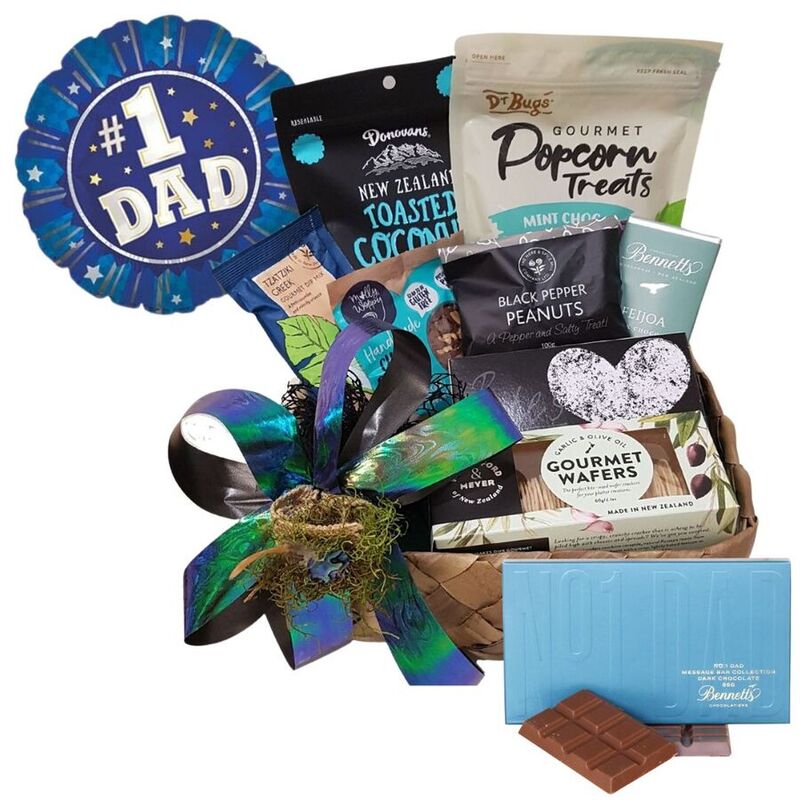
When assembling a gift basket or box, never include more than three primary types of items. Too many random trinkets make the collection feel cluttered and unfocused. Instead, choose items that complement each other thematically—for example, "cozy evening" or "desk organization." This cohesiveness makes your effort look deliberate and professional.
We can borrow a useful principle from design: giving things structure. Just as an architect doesn't throw random materials together, you should never simply dump items into a box. Arrange them deliberately, utilizing filler material like shredded paper (colored to match the packaging) or small wood shavings Go to this site to create visual balance. Remember, making low-budget gifts look high-end and premium is less about what you buy and more about how expertly you arrange it.
Finalizing the Gift Experience: The Thoughtful Touchpoints
The final touches are often the easiest to overlook but have the greatest emotional impact. These small details act as the finishing polish on your gift, solidifying the illusion of high value and deep care.
Handwritten Notes and Personalization
A handwritten note is perhaps the most potent tool in any gifting arsenal. It requires time—the Learn here ultimate non-monetary currency—and immediately signals that you valued the recipient enough to dedicate a few minutes solely to them. Instead of just saying "Happy Birthday," write, "I hope this little kit helps you finally carve out some much-needed time for reading." The specificity elevates the sentiment from generic obligation to genuine thoughtfulness.
Creating Lasting Impressions Through Utility
The best gifts are those that continue to give back after the initial opening fanfare subsides. Think about utility. Does your gift encourage a hobby? Is it something they will use regularly, like a beautiful hand cream or an elevated pen? Utility ensures that every time they see or use the item, they will subconsciously think of you and the effort you put into making low-budget gifts look high-end and premium.
As one expert in experiential marketing noted, "People don't remember what you said; they remember how you made them feel." Your goal is to make them feel seen, appreciated, and utterly spoiled—all without emptying your wallet. By treating the gift assembly process like a miniature luxury product launch, focusing on narrative, sensory depth, and immaculate presentation, you unlock the secret that true value resides in effort, not expenditure.
The perfect gift doesn't just sit on a shelf; it tells a story of care. Start practicing these techniques today, and watch how effortlessly your thoughtfulness shines through every single package.